Experiencing fire damage can be overwhelming, especially in a bustling city like New York, NY. When faced with the aftermath of such a devastating event, navigating the complexities of insurance claims can add to the stress. Understanding how to effectively manage your insurance claim is crucial for a smoother recovery process.
Gather Your Documentation: The Foundation of Your Claim
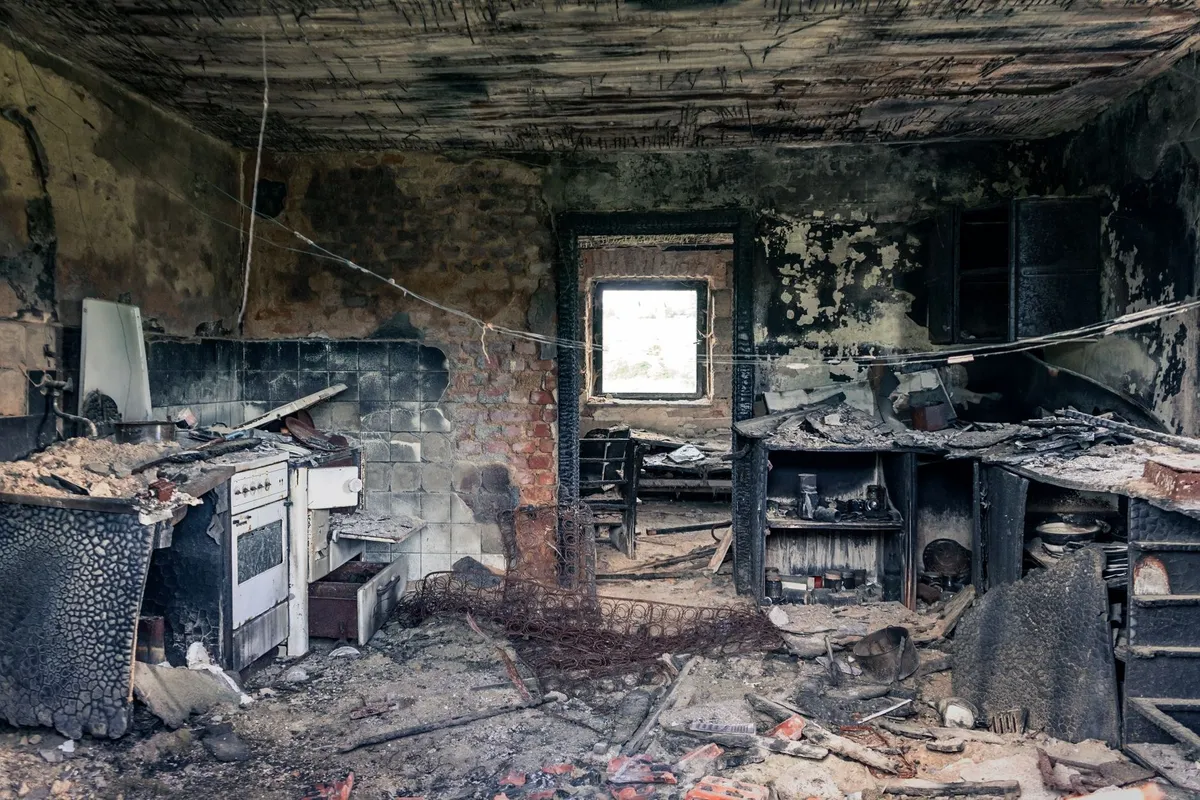
The first step in making an insurance claim after a fire is to gather all necessary documentation. This includes your insurance policy, photographs of the damage, and a list of belongings that were affected. Take detailed pictures of the damage, as visual evidence can significantly strengthen your claim. Documenting everything meticulously will help you provide a comprehensive overview of the losses incurred.
It’s also wise to keep records of any temporary living arrangements, as many policies cover additional living expenses. Having a clear account of your situation can expedite the process and ensure you receive the compensation you deserve.
Communicate Clearly with Your Insurance Adjuster
Once your documentation is in order, the next step is to communicate with your insurance adjuster. Be prepared to explain the circumstances surrounding the fire and the extent of the damage. Clear communication is essential; make sure to articulate your needs and expectations regarding the claim.
Remember that your adjuster is there to assist you, but they also represent the insurance company’s interests. Be honest and thorough in your discussions, as discrepancies can lead to delays or denial of your claim. If you feel overwhelmed, consider enlisting the help of a fire damage restoration expert from a local firm. They can provide insights into the damage and support your claim with professional assessments.
Understand Your Policy: Know What’s Covered
Insurance policies can vary significantly, particularly in a diverse market like New York City. It’s essential to understand the specifics of your coverage, including what types of damage are included and any exclusions that may apply. Some policies cover structural damage, while others may include personal property loss or even smoke damage resulting from a fire in a neighboring unit.
Take the time to read through your policy and clarify any confusing terms with your insurance agent. Knowing exactly what your coverage entails can save you from unexpected out-of-pocket expenses later on. This understanding is crucial when negotiating your claim and ensuring you receive the maximum benefit allowed by your policy.
Be Prepared for the Claims Process to Take Time
The insurance claims process can be lengthy, especially in a city like New York where many claims may be filed simultaneously after a disaster. Patience is key. While it’s natural to want a quick resolution, understand that thorough investigations and assessments are part of the process.
Stay proactive by following up regularly with your insurance company. Keep a log of all communications, including dates, times, and the names of representatives you speak with. This documentation can be beneficial if you encounter delays or issues during the process.
Additionally, if you find that your claim is taking too long, don’t hesitate to reach out to a fire damage restoration professional. Their experience can sometimes expedite the process and ensure that your claim is handled efficiently.
Navigating the aftermath of fire damage in NYC requires diligence and understanding. By gathering the right documentation, communicating effectively with your insurance adjuster, understanding your policy, and being prepared for the process to take time, you can enhance your chances of a successful claim. Remember, local experts in fire damage restoration can be invaluable allies during this challenging time, helping you reclaim your space and peace of mind.
Frequently Asked Questions
What documentation do I need to submit for my insurance claim after a fire?
You should gather your insurance policy, photographs of the damage, and a detailed list of affected belongings. Additionally, keep records of any temporary living arrangements, as many policies may cover these expenses. This thorough documentation will help present a clear overview of your losses and strengthen your claim.
How can I effectively communicate with my insurance adjuster?
Be prepared to explain the circumstances of the fire and the extent of the damage in detail. Clear communication is vital; express your needs and expectations honestly, as your adjuster is there to assist but also represents the insurance company. Keeping your discussions straightforward can help prevent delays or complications with your claim.
What should I know about my insurance policy before filing a claim?
It’s crucial to understand the specifics of your coverage, including what types of damage are included and any exclusions that may apply. Some policies cover structural damage, while others may include personal property loss or smoke damage from nearby fires. Reading through your policy and clarifying any confusing terms with your insurance agent can help you avoid unexpected costs later on.
How long does the claims process typically take after a fire?
The insurance claims process can be lengthy, especially in a busy city where many claims may be filed simultaneously. Patience is essential, as thorough investigations are part of the process. Stay proactive by regularly following up with your insurance company and keeping a log of all communications to help manage any delays.
Can hiring a fire damage restoration professional help with my claim?
Yes, enlisting the help of a fire damage restoration expert can provide valuable insights into the damage and support your claim with professional assessments. Their experience can sometimes expedite the claims process and ensure that your situation is handled efficiently. Having a knowledgeable ally can be beneficial in navigating the complexities of your claim.